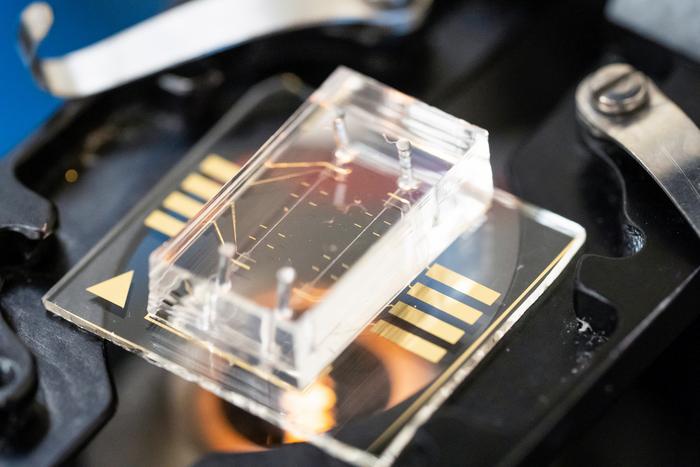
A study headed by researchers at City of Hope and the University of California, Berkeley has found that physical and mechanical properties of normal human mammary epithelial cells can offer a “functional readout” of biological age and breast cancer susceptibility.
The team created a novel, high-throughput microfluidic platform that can assess women’s breast cancer risk at the cellular level. The m...
This study presents a compelling intersection of biomechanics, aging, and cancer risk, but several questions warrant scrutiny. The methodology—using microfluidic squeezing to assess cell mechanics—is innovative, but the sample size and diversity of participants aren't detailed in the provided text. Peer reviewers would likely probe whether the mechanical phenotypes observed are causally linked to cancer risk or merely correlated. The claim that "mechanical age" is a fundamental hallmark of cellu...